Running a business often means taking on debt to cover operational costs, expansion, or unexpected expenses. But when that debt becomes unmanageable, business debt settlement can offer a way to regain financial control. Understanding business debt settlement is essential for any business owner facing mounting obligations they can no longer comfortably repay. This guide covers everything you need to know before pursuing this path.
What Is Business Debt Settlement?
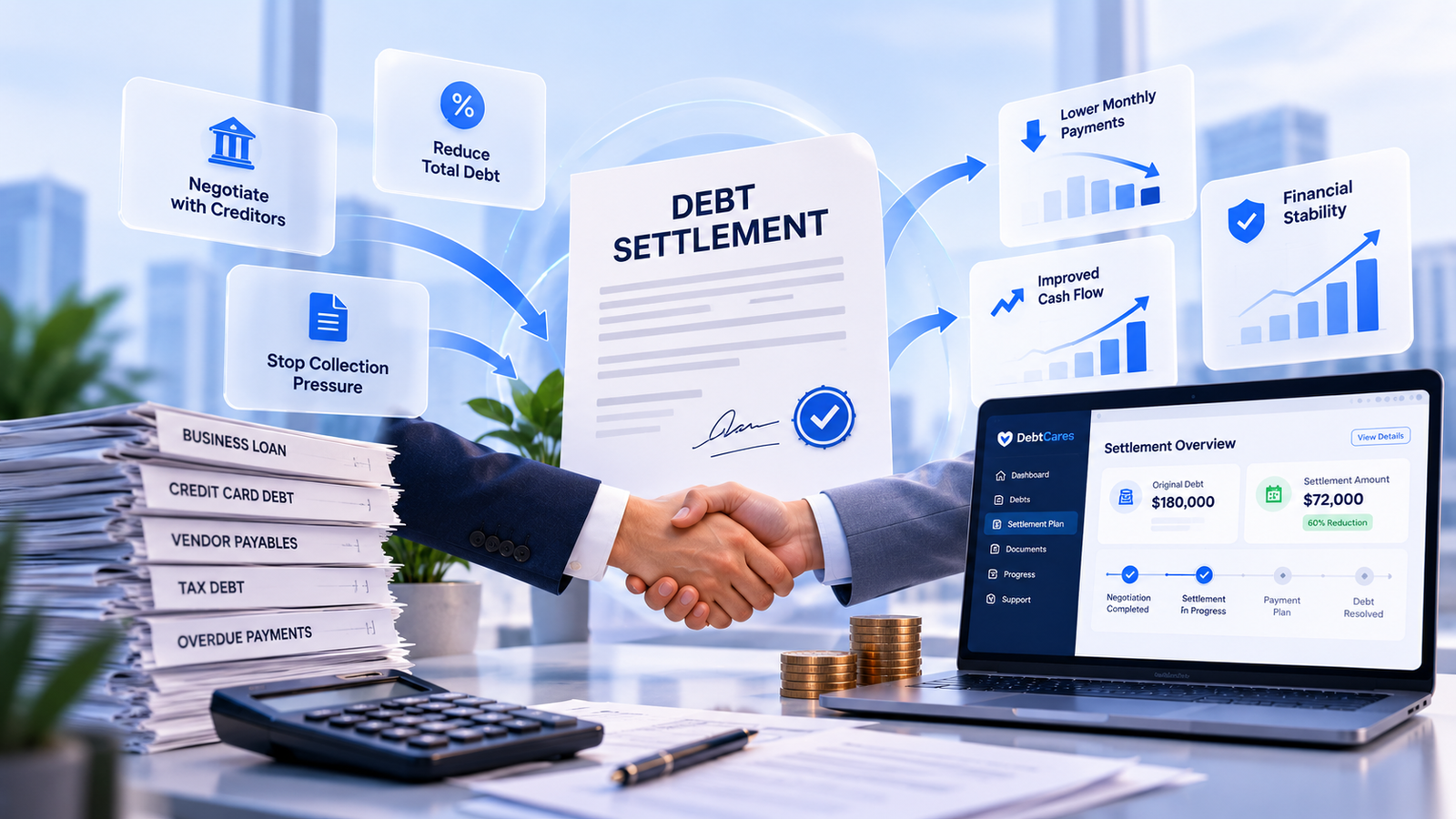
Business debt settlement is a process where a business negotiates with creditors to pay off debt for less than the full amount owed. Rather than continuing to struggle with unmanageable payments, business owners work with creditors, either directly or through a settlement company, to reach an agreement that resolves the debt at a reduced total cost. According to insights on how debt relief works specifically for small business owners, this approach can provide meaningful relief for businesses facing cash flow struggles.
How Does Business Debt Settlement Work?
The process behind business debt settlement typically follows a structured path:
- Financial Review – A settlement company or advisor assesses your business's total debt, cash flow, and overall financial health
- Fund Accumulation – Instead of paying creditors directly, you deposit funds into a dedicated account over time
- Negotiation – Once sufficient funds accumulate, the settlement company negotiates with creditors to accept a reduced lump-sum payment
- Settlement Agreement – Creditors agree to accept less than the full balance, and the debt is marked as settled
- Debt Resolution – Once payments are made according to the agreement, the business is released from further obligation on that debt
Understanding this process helps business owners set realistic expectations before entering a business debt settlement arrangement.
Types of Business Debt That Can Be Settled
Not all business debt qualifies for settlement. Common types eligible for business debt settlement include:
- Business credit card debt – Often high-interest and a common target for settlement
- Merchant cash advances – Frequently settled due to their high costs and aggressive repayment terms
- Unsecured business loans – Loans without collateral are typically easier to negotiate
- Vendor and supplier debt – Outstanding balances owed to suppliers can sometimes be settled
- Lines of credit – Unsecured business lines of credit may also be eligible
Secured debts, such as equipment loans or those backed by business assets, are generally more difficult to settle since creditors have collateral to fall back on.
Signs Your Business May Need Debt Settlement
Recognizing when business debt settlement might be necessary can help you act before the situation worsens. Warning signs include:
- Consistently missing or delaying payments to creditors
- Relying on new debt to pay off existing obligations
- Cash flow that no longer covers basic operational expenses
- Creditors threatening legal action or collections
- Spending more time managing debt than running the business itself
A helpful resource on recognizing when your business needs debt relief and what options exist offers additional guidance on identifying these warning signs early.
Benefits of Business Debt Settlement
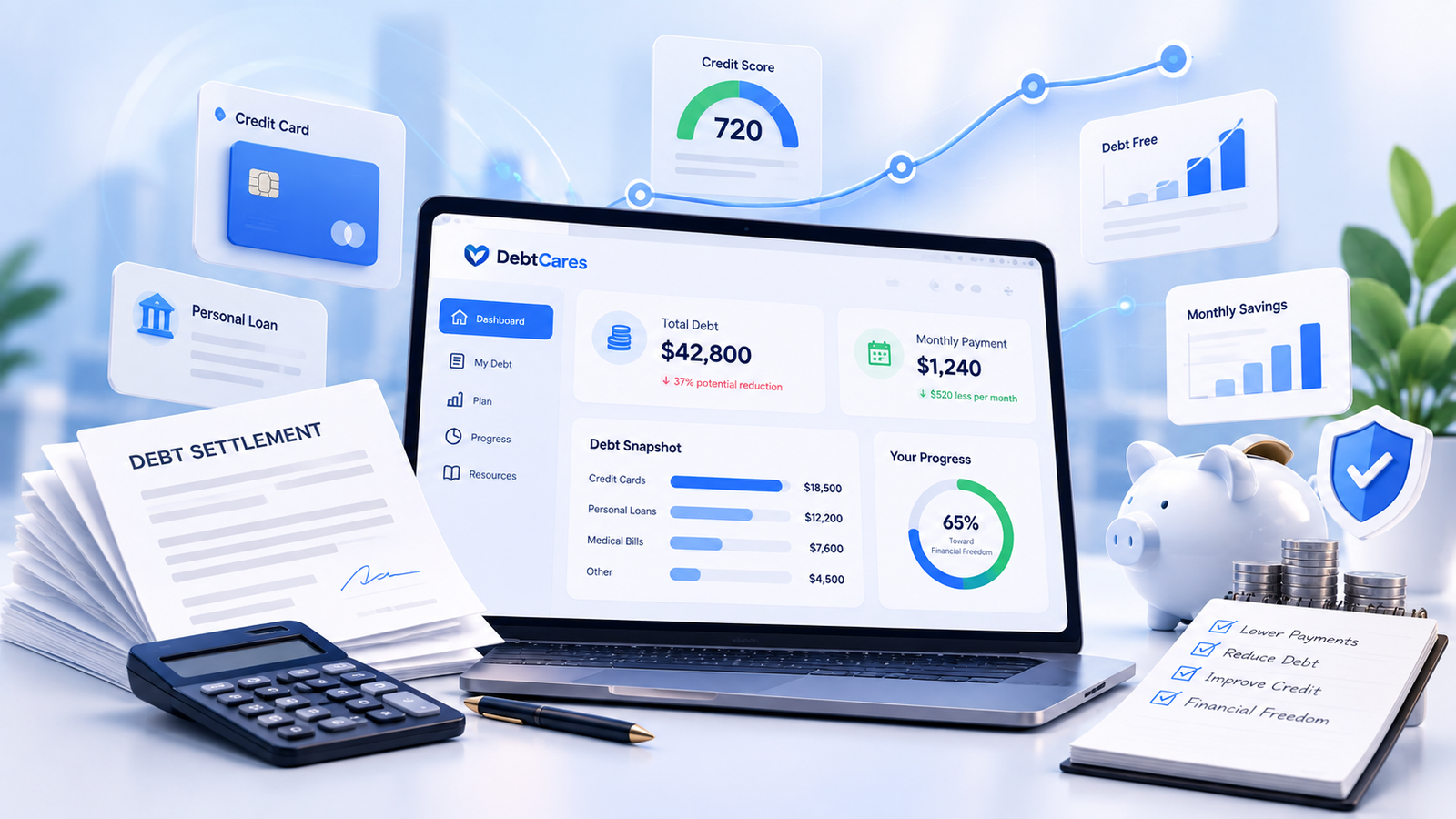
Choosing business debt settlement can offer several advantages for struggling business owners:
- Reduced total debt owed, often significantly less than the original balance
- Simplified repayment, consolidating negotiations into a single structured process
- Avoiding bankruptcy, which carries more severe long-term consequences
- Preserving business operations, allowing the company to continue running during negotiations
- Professional negotiation support, reducing the stress of dealing with multiple creditors directly
- Potential to avoid personal liability, depending on how the business is structured and whether debts were personally guaranteed
Risks and Drawbacks of Business Debt Settlement
While business debt settlement can provide relief, it's important to understand the potential downsides:
- Credit score damage, both for the business and potentially the owner if personal guarantees were involved
- Continued creditor collection efforts during the negotiation period
- Program fees, typically charged as a percentage of enrolled or settled debt
- Tax implications, since forgiven debt may be considered taxable income
- Not all creditors agree to negotiate, meaning some debts may remain unresolved
- Potential impact on business relationships, particularly with vendors or suppliers
Weighing these trade-offs carefully is essential before committing to business debt settlement as your chosen path forward.
Business Debt Settlement vs. Other Debt Relief Options
It's important to understand how business debt settlement compares to other available strategies:
Business Debt Consolidation
This involves combining multiple debts into a single loan, often with a lower interest rate. Unlike settlement, consolidation doesn't reduce the total amount owed — it simply restructures repayment.
Business Bankruptcy
Filing for bankruptcy, such as Chapter 11, provides legal protection and structured debt resolution but carries significant long-term consequences for business credit and operations.
Direct Creditor Negotiation
Some business owners negotiate directly with creditors without involving a third-party settlement company, potentially saving on fees but requiring more time and negotiation skill.
Debt Management Plans
Working with a business credit counsellor to create a structured repayment plan, often with reduced interest rates negotiated directly with creditors.
Who Should Consider Business Debt Settlement?
Business debt settlement tends to make the most sense for business owners who:
- Have significant unsecured business debt they cannot realistically repay in full
- Are already experiencing cash flow problems that threaten operations
- Have exhausted other options like refinancing or renegotiating terms directly
- Can commit to consistent deposits into a settlement fund over time
- Understand and accept the credit impact involved in the process
If your business debt is manageable through improved cash flow management or refinancing, settlement may not be necessary. However, for businesses facing serious financial distress, business debt settlement can offer a realistic path forward.
How to Choose a Business Debt Settlement Company
Selecting the right partner for business debt settlement is critical. Consider these factors:
- Verify accreditation and reputation through industry organizations and review platforms
- Request a clear fee structure before enrolling in any program
- Avoid companies demanding large upfront fees before any debt resolution occurs
- Ask about experience specifically with business debt, since this differs from personal debt settlement
- Understand the expected timeline for negotiations and settlements
- Consult a business financial advisor for an unbiased second opinion before committing
Steps to Begin Business Debt Settlement
If you've decided business debt settlement is right for your situation, follow these steps:
- Gather complete financial records, including all outstanding debts, interest rates, and creditor information
- Assess your cash flow to determine what you can realistically contribute toward settlement
- Research settlement companies with proven experience in business debt specifically
- Request consultations to compare approaches, fees, and expected outcomes
- Review and understand the agreement before enrolling, including all fees and timelines
- Begin the settlement process, making consistent deposits as outlined in your program
- Monitor progress regularly, staying in communication with your settlement representative
Impact on Personal Credit and Liability
Many small business owners personally guarantee business loans or credit lines, which means business debt settlement can potentially affect personal credit as well as business credit. It's important to understand:
- Whether debts were personally guaranteed before pursuing settlement
- How settlement might affect your personal credit report and score
- Whether your business structure (LLC, corporation, sole proprietorship) affects personal liability
- The importance of consulting a financial or legal advisor to clarify personal exposure
Final Thoughts
Business debt settlement can offer a genuine path toward financial recovery for business owners facing unmanageable debt, but it comes with real trade-offs, including credit impact and potential tax consequences. Before committing to this path, take time to understand your options, research reputable settlement companies, and consult financial or legal professionals who can help clarify how settlement might affect both your business and personal finances. With careful planning and realistic expectations, business debt settlement can be a valuable tool for getting your business back on solid financial footing.
Frequently Asked Questions
1. What is business debt settlement?
Business debt settlement is a process where a business negotiates with creditors to pay off debt for less than the full amount owed, typically through structured negotiations managed by a settlement company or advisor.
2. Does business debt settlement hurt credit?
Yes, typically both business credit and potentially personal credit (if debts were personally guaranteed) can be negatively affected, since settlement often involves missed payments before negotiation.
3. How long does business debt settlement take?
Most business debt settlement programs take between 12 to 48 months, depending on the total debt enrolled and how quickly creditors agree to settlement terms.
4. Can all types of business debt be settled?
No, unsecured debts like credit cards, merchant cash advances, and unsecured loans are typically easier to settle, while secured debts backed by collateral are more difficult to negotiate.
5. Is business debt settlement better than bankruptcy?
It depends on the specific situation. Settlement can be less damaging than bankruptcy in some cases, but bankruptcy offers legal protections that settlement does not, making the right choice dependent on individual circumstances.
6. Will I owe taxes on settled business debt?
Potentially, yes. Forgiven debt may be considered taxable income by the IRS, so consulting a tax professional before finalizing any settlement is strongly recommended.