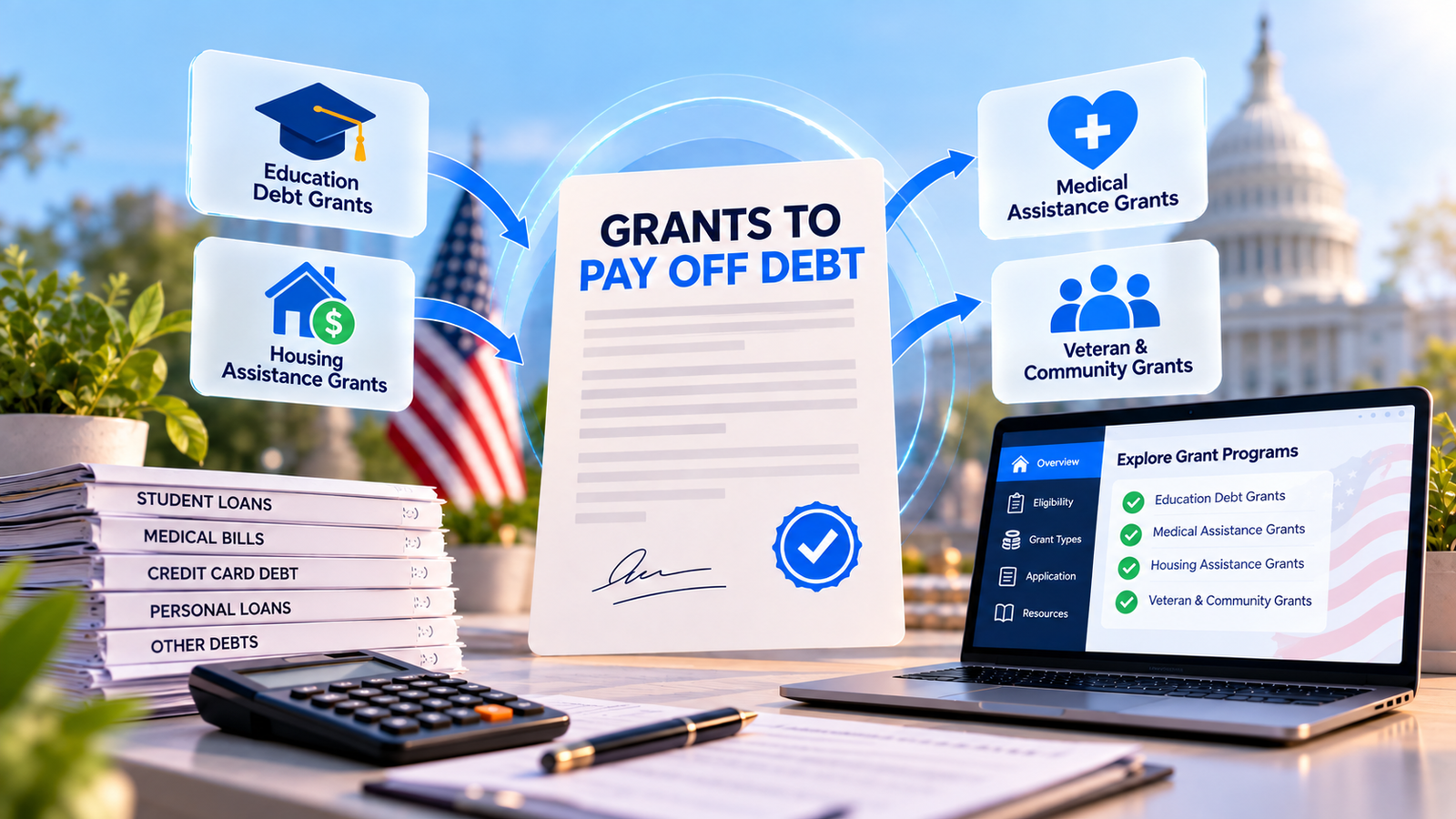
Searching for grants to pay off debt is a common step for people overwhelmed by credit cards, student loans, or medical bills. Unlike loans, grants don't need to be repaid, which makes them an attractive option - but the reality is more complicated than many people expect. This guide explains what grants to pay off debt actually exist, who qualifies, and what alternatives might serve you better.
Do Grants to Pay Off Debt Actually Exist?
The honest answer is that true grants to pay off debt are far rarer than online searches might suggest. Unlike scholarships or small business grants, there's no broad federal program handing out free money simply because someone has credit card or personal debt. According to a detailed investigation into what grant programs genuinely exist for debt repayment, most general consumer debt, like credit cards, doesn't qualify for grant-based relief at all. However, certain categories of debt, particularly student loans, do have legitimate grant and forgiveness opportunities worth exploring.
Why Grants Are Rare for General Consumer Debt
Understanding why grants to pay off debt are so limited helps set realistic expectations:
- No federal grant program exists specifically for credit card or personal loan debt
- Grants are typically need-based and purpose-specific, tied to education, housing, or specific hardships
- Private debt is considered a personal financial obligation, not something government or nonprofit grants typically address
- Scam risk is high in this space, since many websites falsely advertise "free money" to pay off debt
Being aware of these realities helps you avoid wasting time chasing nonexistent programs or falling victim to scams promising guaranteed debt-free grants.
Where Legitimate Debt-Related Grants Do Exist
While general debt grants are uncommon, there are a few areas where grants to pay off debt genuinely apply:
Student Loan Forgiveness and Grant Programs
Federal and state programs exist that can help reduce or eliminate student loan balances for qualifying borrowers, particularly those working in public service, education, healthcare, or other designated fields. A helpful resource on grant opportunities specifically designed for student loan repayment outlines several options worth researching if education debt is your primary concern.
Employer Student Loan Assistance Programs
Some employers now offer student loan repayment assistance as part of their benefits packages, effectively functioning like a grant toward your education debt.
Medical Debt Assistance Programs
Certain nonprofit organizations and hospital financial assistance programs offer grants or debt forgiveness for qualifying medical bills, particularly for low-income patients.
State-Specific Relief Programs
Some states offer targeted debt relief or forgiveness programs for specific professions, such as healthcare workers or teachers, in exchange for service commitments.
Student Loan Grants: The Most Legitimate Option
If you're specifically researching grants to pay off debt related to education, student loans offer the most realistic opportunities. These include:
- Public Service Loan Forgiveness (PSLF) – Forgives remaining federal student loan balances after 120 qualifying payments while working for government or nonprofit organizations
- Teacher Loan Forgiveness – Offers forgiveness for teachers working in low-income schools for a specified number of years
- Income-Driven Repayment Forgiveness – Forgives remaining balances after 20–25 years of qualifying payments under certain repayment plans
- State-Based Loan Repayment Programs – Many states offer grants or forgiveness for professionals like nurses, doctors, and teachers who commit to working in underserved areas
A detailed breakdown of specific grant and forgiveness options available for student loan borrowers explains eligibility requirements and application processes for several of these programs.
Who Qualifies for Debt-Related Grants?
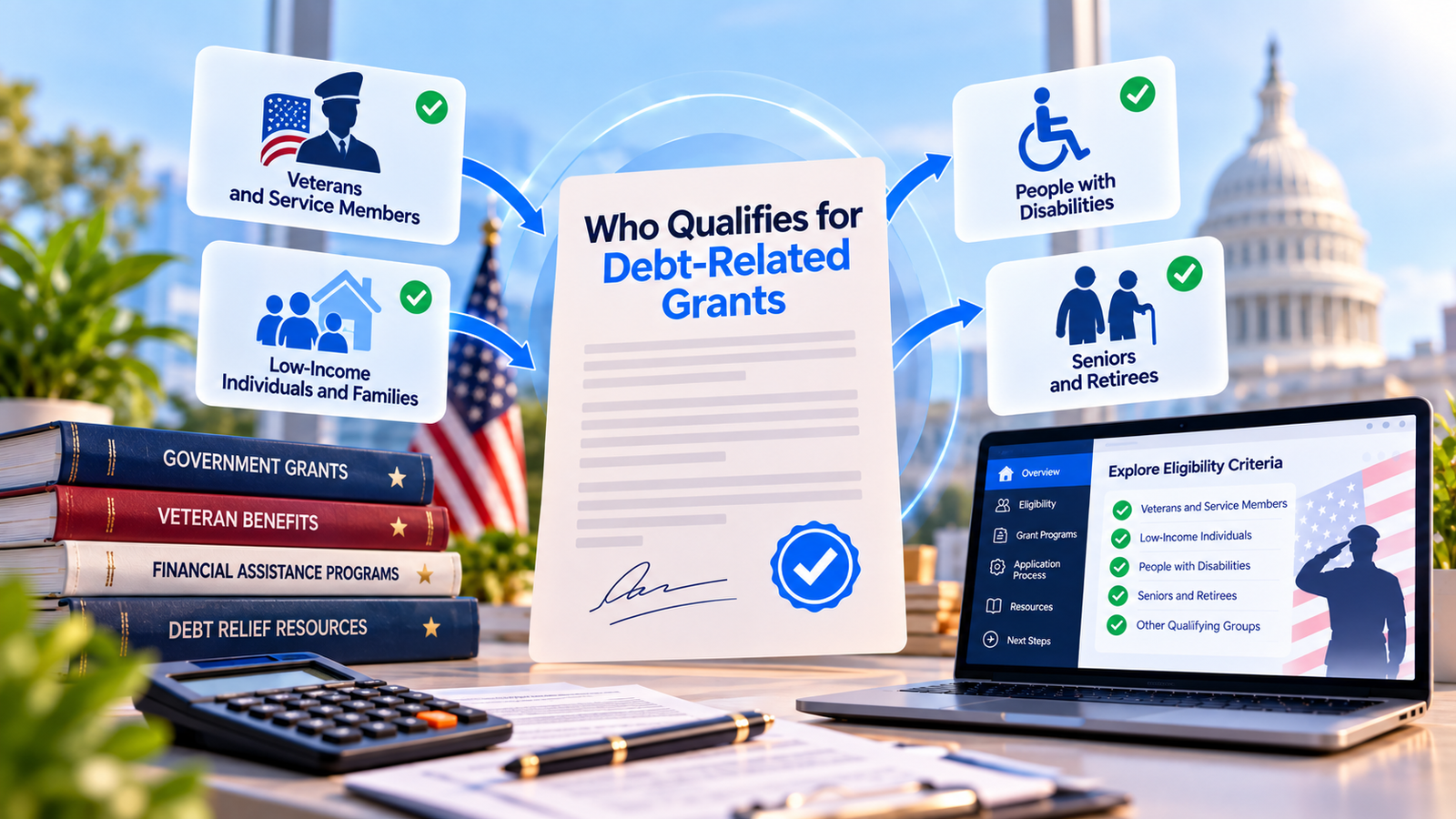
Eligibility for grants to pay off debt varies significantly depending on the specific program. Common qualifying factors include:
- Profession – Many programs target specific fields like healthcare, education, or public service
- Income level – Need-based grants often require proof of financial hardship
- Debt type – Most legitimate grants apply to student loans or medical debt, not general consumer debt
- Service commitments – Some programs require working in a specific role or location for a set period
- Residency – State-based programs typically require residency or employment within that state
How to Find Legitimate Grants to Pay Off Debt
If you're searching for grants to pay off debt, follow these steps to find legitimate opportunities:
- Start with official government websites like StudentAid.gov for federal student loan forgiveness programs
- Research your employer's benefits package for potential student loan assistance programs
- Check with your state's department of education or health for profession-specific forgiveness programs
- Contact hospital financial assistance offices directly if you're dealing with medical debt
- Avoid any website requiring upfront fees to "access" grant money, as this is a common scam tactic
- Verify legitimacy through official .gov websites or established nonprofit organizations
Red Flags: Avoiding Debt Grant Scams
Unfortunately, the search for grants to pay off debt often leads people toward scams. Watch for these warning signs:
- Promises of "free government money" to pay off any type of debt
- Requests for upfront fees before receiving grant information or funds
- Pressure tactics urging immediate action or limited-time offers
- Lack of official documentation or verifiable program details
- Requests for sensitive personal information before explaining the program clearly
Legitimate grant programs never require payment to access information or apply, and official programs are always verifiable through government or well-established institutional websites.
Alternatives to Grants for Paying Off Debt
Since true grants to pay off debt are limited mostly to student loans and specific medical situations, consider these alternative strategies for general consumer debt:
- Debt consolidation loans – Combining multiple debts into one loan with a potentially lower interest rate
- Debt settlement programs – Negotiating with creditors to pay less than the full amount owed
- Credit counseling and debt management plans – Working with nonprofit agencies to create structured repayment plans
- Balance transfer credit cards – Using promotional 0% APR offers to pay down debt without accruing additional interest
- Side income or budget restructuring – Freeing up additional funds to accelerate debt payoff directly
Steps to Take If You Can't Find a Qualifying Grant
If your research into grants to pay off debt doesn't turn up a qualifying program for your situation, here's what to do next:
- Reassess your debt type and explore whether consolidation or settlement might be more applicable
- Contact a nonprofit credit counselor for a personalized assessment of your options
- Explore employer benefits that might indirectly help, such as financial wellness programs
- Consider negotiating directly with creditors for hardship programs or reduced interest rates
- Build a realistic budget focused on accelerated debt payoff through consistent extra payments
Final Thoughts
While the search for grants to pay off debt often leads to disappointment for those carrying general consumer debt, legitimate opportunities do exist, particularly for student loans and specific medical or professional circumstances. Understanding where real programs exist, versus where scams lurk, can save you time and protect your finances. If grants aren't available for your specific situation, exploring alternatives like consolidation, credit counseling, or direct creditor negotiation can still provide a realistic path toward becoming debt-free.
Frequently Asked Questions (FAQs)
1. Are there real grants to pay off debt?
True grants are rare for general consumer debt like credit cards, but legitimate grant and forgiveness programs do exist for student loans and certain medical debt situations.
2. Can I get a grant to pay off credit card debt?
Generally, no. There are no widely available federal or nonprofit grant programs specifically designed to pay off credit card debt.
3. What's the most legitimate type of debt grant available?
Student loan forgiveness programs, such as Public Service Loan Forgiveness, represent the most legitimate and accessible form of debt-related grants currently available.
4. How do I avoid scams when searching for grants to pay off debt?
Avoid any program requiring upfront fees, verify legitimacy through official government websites, and be skeptical of promises involving "free government money" for any type of debt.
5. Do employers offer grants to pay off debt?
Some employers offer student loan repayment assistance as part of their benefits package, which functions similarly to a grant toward education debt specifically.
6. What should I do if I don't qualify for any debt grants?
Consider alternatives like debt consolidation, credit counseling, or debt settlement programs, which can still provide meaningful relief even without grant funding.